Fact Sheet on Stonehenge
| ||
| Fun Fact 1 |
Stonehenge is an engineering wonder located in Wiltshire, England near the town of Amesbury.
| |
| Fun Fact 2 |
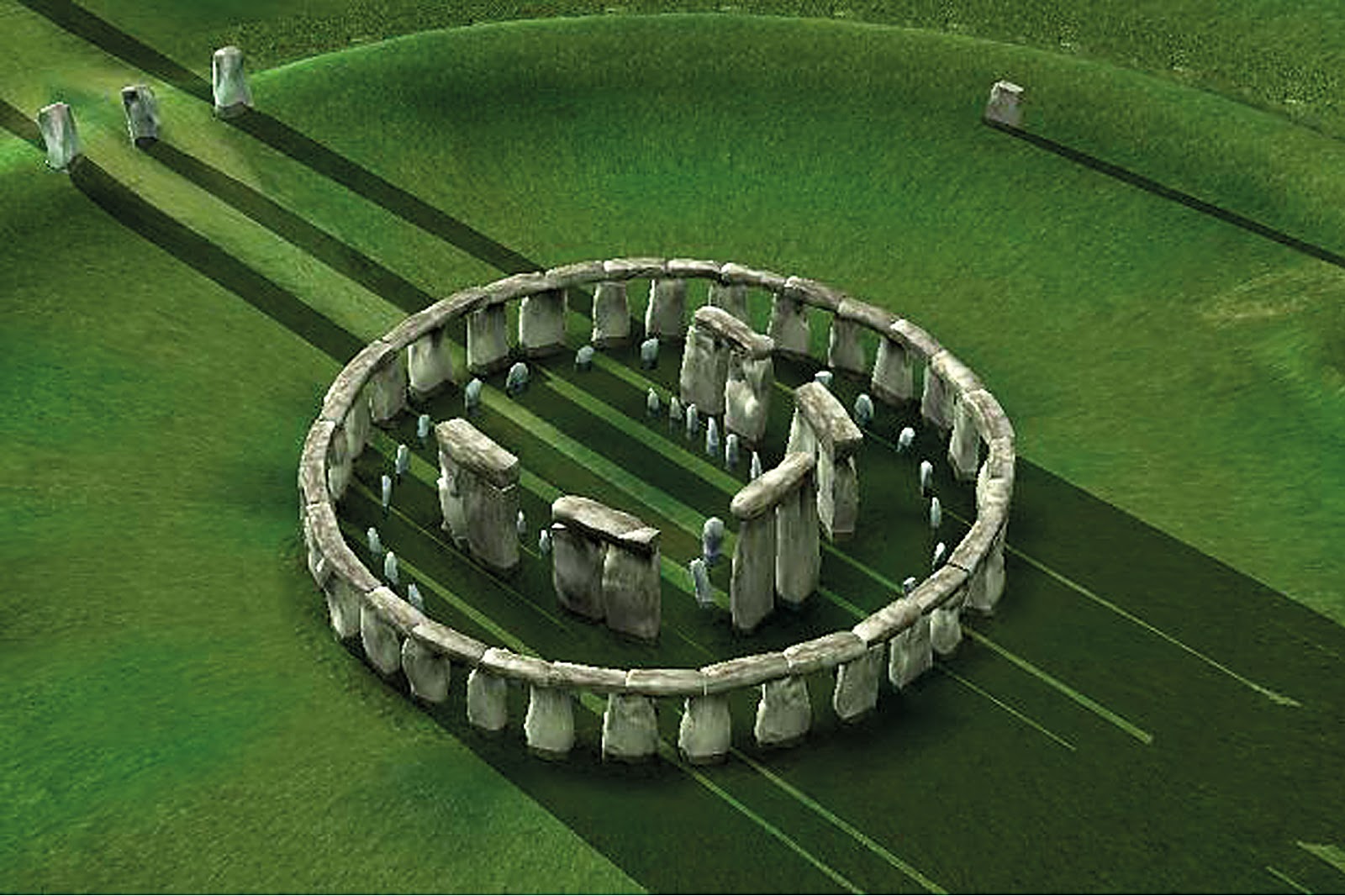
This prehistoric wonder is a monument of huge stones set in a ring. There are other stone circles in England but Stonehenge is by far the most famous.
|
| Fun Fact 3 |
There are no records to provide us with any information about Stonehenge at all, including important facts about who built the monument, why it was built and when it was built. The information we have comes from scientific and archaeological research.
|
| Fun Fact 4 |
Some of the stones are so huge and heavy, it's a mystery how they got there! It is believed that many of the stones had to dragged more than 250 kilometres to reach the site's location.
|
| Fun Fact 5 |
There are many theories surrounding the purpose of Stonehenge but it is thought that the site provided a cemetery as there are many burial mounds around the area which date back to Neolithic times.
|
| Fun Fact 6 |
It is thought that the construction of Stonehenge began in approximately 3100 BC with a circular ditch with raised banks. It's thought that a circle of wood was built at the same time.
|
| Fun Fact 7 |
From approximately 2600 BC, stone was used instead of timber and wood to continue the construction of Stonehenge. The types of stone used at this time included bluestones and sandstone.
|
| Fun Fact 8 |
A huge sandstone alter was positioned at the centre of the prehistoric monument which weighed 5.4 tonnes.
|
| Fun Fact 9 |
It's thought that thirty great sarsen stones were added to the site around two hundred years later. Each sarsen stone would have weighed around 22 tonnes and was arranged to create a new circle with a diameter of 33 meters.
|
| Fun Fact 10 |
Inside the circle of sarsen stones, a horseshoe of stones was created weighing approximately 45 tonnes each.
|
| Fun Fact 11 |
Some of the stones have a lintel joining them. Many, you will see, consist of two standing stone with a lintel on top, joining them together. These are known as trilithons as they consist of two big vertical stones which support a third horizontal stone.
|
| Fun Fact 12 |
There are many myths surrounding the mystery of Stonehenge. As there are no records to provide us with information, we can only assume what the real purpose of the construction might have been. Some of the myths are religious and other scientific. Some people believe the site was used by Merlin and the Devil!
|
| Fun Fact 13 |
Some people believe that Stonehenge was used by druids to carry out their rituals. Stonehenge is open to the public and holds special events and ceremonies.
|
| Fun Fact 14 |
Stonehenge is a engineering, prehistoric wonder which is known throughout the world. Tourists visit the site in Wiltshire throughout the year to witness this mystical monument.
|
| Fun Fact 15 |
The tallest trilithon (two vertical stones supporting a third horizontal stone) is thought to have measured approximately 7.3 meters.
  
PPP --> STONEHENGE
|